How Communities Are Fighting AI Data Centers and Winning
“There’s so much power in this fight,” says Saul Levin.
“There’s so much power in this fight,” says Saul Levin.
The attack on Ilhan Omar’s home, the desperation of an unpopular fascist administration, and the long fight ahead.
“It's about relational organizing,” says Ash-Lee Woodard Henderson.
A war almost began, not because a machine wanted something or “went rogue,” but because a machine was wrong, and human beings believed it.
“We start to judge our human interactions by what the chatbot can deliver,” says author Sherry Turkle.
We grieve the worlds we’ve known and what it felt like to live in them.
“Whatever you do, it has to be now,” says organizer Alice Liu.
Creating spaces of reflection, belonging, and collective care
Our politics are not the politics that have detached this country from reality, or normalized increasingly inhuman policies.
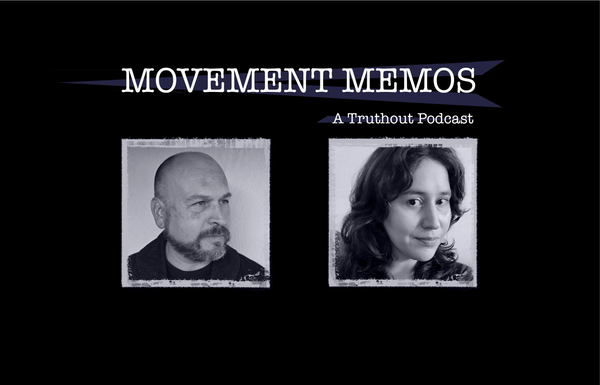
“We can have billionaires or we can have democracy. We cannot have both,” says Gil Durán.
It may be worth checking in with ourselves, from time to time, about what, if anything, our attention is cultivating.
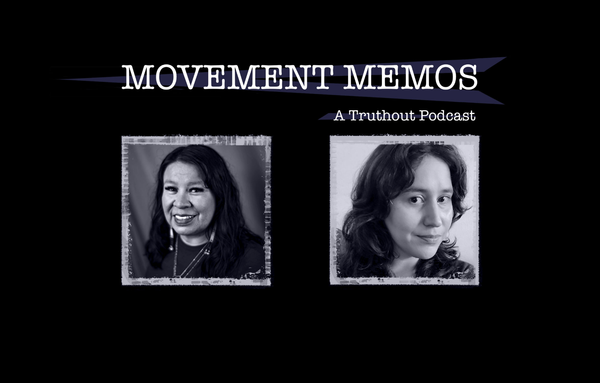
“These are tools to extract from who we are to erase us,” says organizer Krystal Two Bulls.